

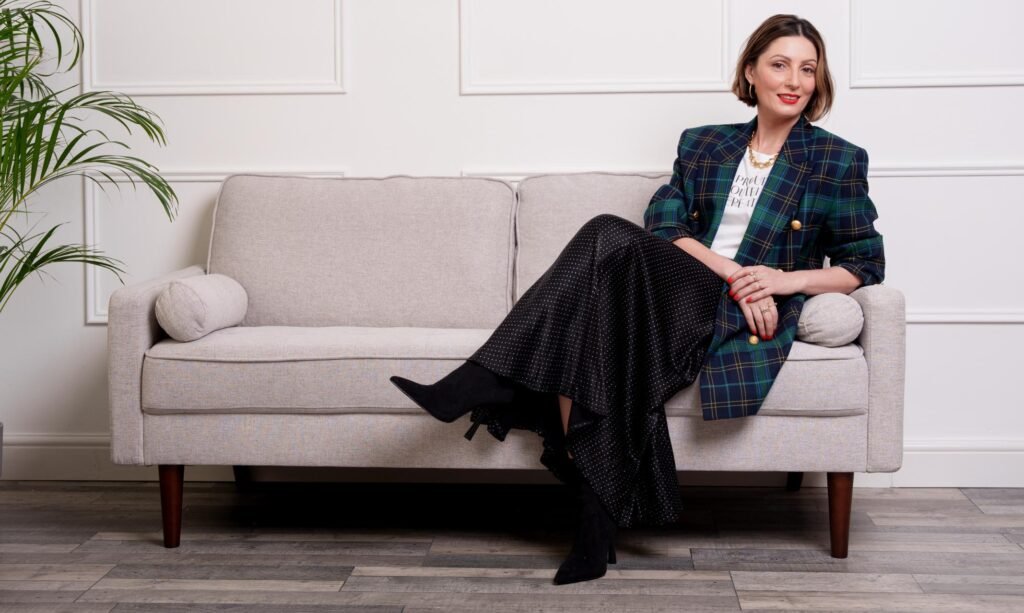
Black, White, and Beyond: The Enduring Allure of Monochrome Fashion
In the ever-changing world of fashion, few trends have maintained their charm and versatility quite like monochrome fashion. From the red carpet to everyday street style, the timeless pairing of black and white—and the broader spectrum of single-tone dressing—continues to symbolize sophistication, confidence, and modern elegance.
This article explores why monochrome remains a cornerstone of style, how to master it across seasons, and how to go beyond black and white to embrace the full potential of this enduring trend.
What is Monochrome Fashion?
The word monochrome comes from the Greek roots mono (single) and chroma (color), meaning “one color.” In fashion, it refers to outfits built around a single hue—or, more popularly, the contrasting simplicity of black and white.
Monochrome dressing isn’t just a style choice—it’s a design philosophy. It allows the focus to shift from bright colors or prints to silhouette, texture, and detail, letting the wearer’s personality and confidence take center stage.
The Timeless Appeal of Black and White
1. Effortless Sophistication
Black and white combinations have long been synonymous with chic minimalism. Whether it’s a tailored black blazer with a white shirt or an elegant evening gown, this duo never fails to make an impact.
Why it works:
-
The contrast creates balance and visual harmony.
-
It flatters all skin tones and body types.
-
It transitions seamlessly from day to night.
Icons like Audrey Hepburn, Coco Chanel, and Yves Saint Laurent have all championed black-and-white fashion, proving its eternal relevance.
2. Versatility Across Occasions
Monochrome outfits fit effortlessly into any setting—professional, casual, or formal.
-
Workwear: A crisp white blouse and black pencil skirt exude authority and poise.
-
Evening wear: A flowing black dress or tuxedo suit makes a timeless statement.
-
Casual looks: White jeans with a black turtleneck create instant sophistication.
No matter the occasion, monochrome adapts while maintaining polish and precision.
3. A Blank Canvas for Personal Expression
While monochrome is simple, it’s far from boring. The absence of color allows you to play with shapes, layering, and accessories to express individuality.
-
Experiment with textures—combine silk, leather, wool, and cotton for depth.
-
Play with proportions—oversized blazers with fitted pants or vice versa.
-
Add statement pieces like belts, jewelry, or shoes to make your look distinct.
Monochrome invites creativity through subtle design choices rather than color chaos.
Beyond Black and White: Exploring Modern Monochrome
The world of monochrome extends far beyond the classic black-and-white palette. Modern fashion redefines the trend by incorporating tones, shades, and gradients of a single color.
1. Neutral Monochrome
Beige, cream, camel, and gray have taken center stage in minimalist wardrobes. These shades project understated luxury and work beautifully in layered ensembles.
Style tip: Pair varying shades of beige or ivory to create dimension while keeping the outfit cohesive.
2. Earthy Monochrome
Warm tones like olive, rust, and terracotta are becoming the new neutrals. They reflect nature’s balance and resonate with today’s eco-conscious aesthetic.
Style tip: Use different materials—linen, suede, or knit—to make earthy tones more dynamic.
3. Bold Monochrome
Vibrant single-color looks—think red, cobalt blue, or emerald green—are redefining confidence. Designers from Valentino to Balmain have embraced bold monochrome for powerful statements.
Style tip: When wearing bold colors, keep accessories minimal to let the hue command attention.
4. Pastel Monochrome
Soft tones like lavender, blush pink, and powder blue add a touch of romantic refinement. These shades are perfect for spring and summer wardrobes.
Style tip: Mix matte and glossy textures for a playful yet elegant finish.
How to Master the Monochrome Look
-
Play with Texture: Combine different fabrics to add interest—like satin with wool or leather with cotton.
-
Balance Proportions: Mix fitted and loose silhouettes for a dynamic effect.
-
Layer Thoughtfully: Layering different tones of the same color creates depth and movement.
-
Focus on Fit: Perfect tailoring elevates even the simplest monochrome outfit.
-
Use Accessories Wisely: Metallic accents (gold or silver) complement black and white beautifully.
-
Confidence is Key: Monochrome looks best when worn with assurance—it’s a style of quiet power.
Why Monochrome Never Goes Out of Style
-
Simplicity Meets Impact: The clean contrast draws attention naturally.
-
Transcends Seasons: Works equally well in summer whites or winter blacks.
-
Universally Flattering: Neutral tones suit all skin tones and body shapes.
-
Sustainability-Friendly: Timeless pieces reduce the need for constant trend updates.
Monochrome is not about following fashion—it’s about defining it. It allows you to look refined and composed in any era or environment.
Monochrome Fashion Icons
Some of the world’s most stylish figures have used monochrome to define their aesthetic:
-
Coco Chanel: Introduced black and white as the essence of modern chic.
-
Karl Lagerfeld: Known for his strict black-and-white uniform.
-
Victoria Beckham: Embraces minimalist monochrome with sharp tailoring.
-
Zendaya: Modernizes monochrome with fluid silhouettes and high-gloss finishes.
Each proves that monochrome’s appeal transcends age, gender, and fashion cycles.
Monochrome in Men’s Fashion
For men, monochrome dressing is equally powerful.
-
All-Black Ensemble: Exudes authority and modernity.
-
Gray Layering: Offers sophistication for professional environments.
-
White-on-White: A bold yet refined summer look.
Monochrome simplifies men’s style while emphasizing detail and structure.
FAQs About Monochrome Fashion
Q1: Is monochrome fashion only about black and white?
No. Monochrome means one color—so it includes single-tone outfits in beige, red, or any shade of your choice.
Q2: Can monochrome work for all body types?
Yes! Monochrome elongates the body, creating a streamlined and flattering appearance.
Q3: How can I add variety to monochrome outfits?
Experiment with texture, layering, or small contrasting accessories like belts, scarves, or shoes.
Q4: Is monochrome appropriate for formal events?
Absolutely. Monochrome is a hallmark of elegance—ideal for galas, business meetings, and evening wear alike.
Final Thoughts
Black, white, and beyond—monochrome fashion continues to define timeless elegance. Its strength lies in simplicity, its beauty in balance, and its power in adaptability. Whether you’re dressing for work, a night out, or a casual day, monochrome offers endless ways to look polished and confident.
In a world where trends fade fast, monochrome endures—proving that sometimes, less truly is more.